
Automotive technology and powertrains
Shaping the future of sustainable mobility and energy efficiency

Selecting the ideal vehicle type
Essential criteria for selecting reliable new or used vehicles
Choosing a car model of eco-friendly vehicles isn’t just about design or brand. It’s essential to consider several key criteria to make a coherent and lasting choice. Usage patterns like city commuting or motorway driving dictate requirements. Assess total cost of ownership: purchase price, servicing, charging fees, Road Tax, and residual value.
The powertrain dictates efficiency based on mileage and Clean Air Zone constraints. Euro NCAP ratings, autonomous braking, and connectivity are crucial for modern mobility. Find everything related to automotive news on newscar.co.uk and get advice to make the right choice.

Traffic regulations and road safety
The fundamentals of defensive driving and legal compliance
Adopting defensive driving relies on vigilance and adhering to The Highway Code. Adapt speed to road conditions, maintain stopping distances, and anticipate hazards. Driver alertness is critical: avoiding mobile phone penalties and fatigue preserves reaction times.
Roadworthiness requires a valid MOT certificate, functional lights, and compliant braking systems. Adjusting handling for adverse weather, low visibility, or ice ensures control and passenger protection.
Vehicle servicing and care
Essential checks for preventative maintenance
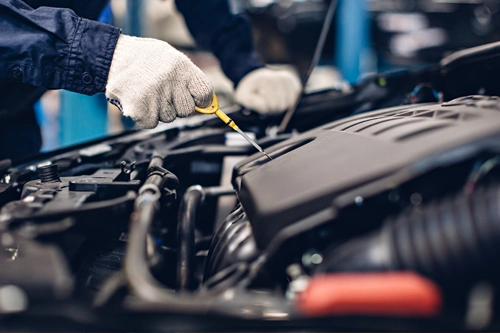

Engine oil and fluid levels
Monitoring synthetic oil ensures lubrication and prevents mechanical failure of pistons or turbos.
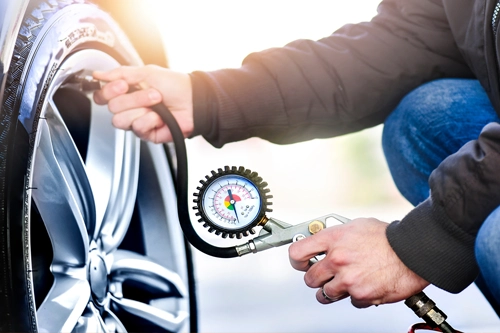

Tyre pressure and tread depth
Correctly inflated tyres above the legal tread limit guarantee grip, fuel efficiency, and braking distance.
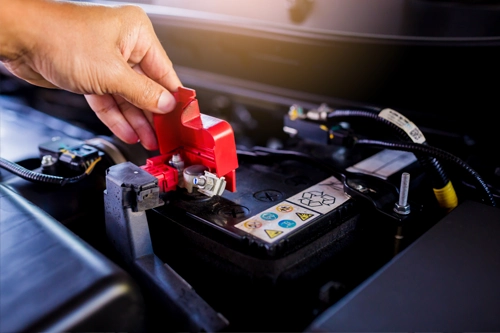

Battery health and diagnostics
Testing voltage prevents ignition failure and sustains Start-Stop systems and onboard electronics.
Sustainable mobility solutions
Smart mobility: rethinking energy and transport
Zero-emission zones challenge cities facing congestion. Optimizing multimodal travel to reduce carbon footprints requires combining EV infrastructure, autonomous tech, and shared transport.



Secure comprehensive cover and liability
Approved parts and accessories for upgrades
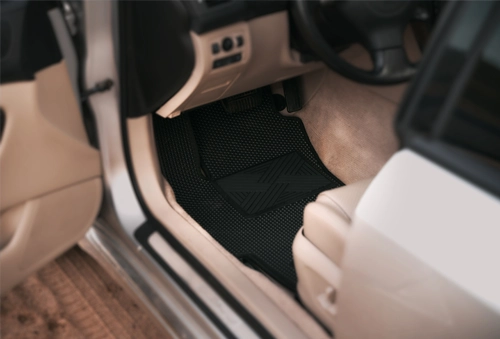
Cabin comfort and ergonomics
Enhancing driver ergonomics involves specific interior upgrades. Rubber mats and upholstery covers protect the cockpit, while lumbar supports improve long-haul comfort. Boot liners and hands-free mounts organize the cargo area, ensuring a functional commute.
Emergency kit and security devices
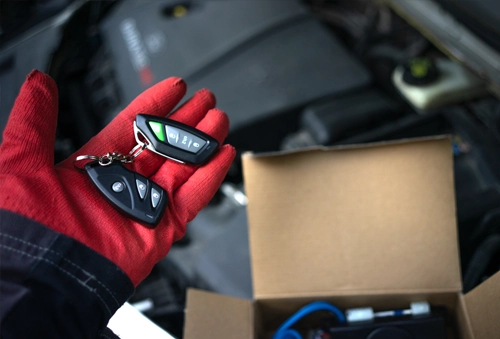
Ensuring onboard security requires certified equipment. Dashcams, immobilizers, and GPS trackers mitigate theft risks. Warning triangles, high-vis vests, and first aid kits provide breakdown safety, while parking sensors and blind-spot monitors prevent low-speed collisions.
Exterior styling and load carrying
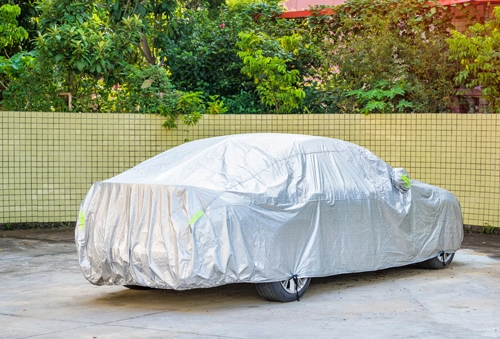
Personalizing the chassis involves functional add-ons. Roof rails, top boxes, and cycle carriers expand load capacity, while protective films guard the paintwork. Alloy wheels and mud flaps enhance aerodynamics and style while shielding wheel arches.